


01
ERP integration
NetSuite, SAP, Microsoft Dynamics, Odoo and others connected to Shopify for orders, inventory, customers and financials with clear data ownership.
Ecommerce Integration · Shopify Native
ERP, OMS, CRM, PIM, ESP, payments, 3PL and custom systems wired cleanly into Shopify. We design reliable, observable integrations that cut manual work, protect inventory accuracy and keep your ops team out of spreadsheets.
48-hour audit
Send your store URL and current systems list. We reply with a recorded walkthrough: data gaps, brittle connections, manual workarounds and five high-impact integration actions ranked by operational and revenue impact. No pitch, no obligation.
Your details stay with us. We never share or sell them.
01 / CAPABILITIES
From ERP and OMS to CRM, PIM, payments and custom middleware. We design integrations that stay reliable after launch and that your team can actually operate.
01
NetSuite, SAP, Microsoft Dynamics, Odoo and others connected to Shopify for orders, inventory, customers and financials with clear data ownership.
02
Order management, 3PL, warehouse and shipping systems wired so status, tracking and exceptions flow correctly in both directions.
03
HubSpot, Salesforce, Klaviyo and custom CRMs unified with Shopify profiles, consent and purchase history for marketing and support.
04
Real-time or scheduled inventory sync, multi-location stock, product information management and channel-specific catalogues.
05
Gateways, reconciliation, accounting export and multi-currency flows that match how your finance team actually works.
06
Recharge, Bold, Smile, LoyaltyLion and custom subscription/loyalty logic integrated without double-charging or data drift.
07
When off-the-shelf connectors fall short: purpose-built middleware, webhooks, queues and internal APIs that own the hard logic.
08
Alerts, dashboards, runbooks and retainers so integrations stay healthy and someone owns them when they don’t.
09
Moving from legacy connectors or platform switches without losing historical data or breaking live order flow.
10
Company accounts, price lists, net terms and draft orders kept in sync between Shopify B2B and your back-office systems.
11
Klaviyo, Attentive, Braze and similar platforms fed with clean events, segments and consent from Shopify.
12
Shared inventory, orders and catalogues across Shopify Markets, multiple stores and marketplaces without double-counting stock.
13
Clean event and entity data into BigQuery, Snowflake or similar so finance and growth teams can trust the numbers.
14
RMA, refund and restock flows connected so inventory and finance stay accurate after a return is processed.
15
Avalara, TaxJar and regional tax engines plus multi-currency and Markets-aware data flows for global brands.
16
Map every existing connector, find conflicts and single points of failure, then redesign for reliability and lower maintenance cost.
02 / PROCESS
Every engagement follows the same four stages. You always know what is happening next and how success is measured at each milestone.
Stage 1
We document every system that touches Shopify, the data that flows (or should flow), current pain points and single points of failure, then prioritise by operational and revenue impact.
Stage 2
We define source of truth for each data domain, event contracts, error handling, monitoring and who owns each integration after go-live — before any code is written.
Stage 3
Connectors and middleware are built in stages, tested against real edge cases, then cut over with rollback plans and parallel runs where needed so live orders are never at risk.
Stage 4
Alerts, dashboards, runbooks and clear documentation are handed over. Optional retainers keep the integrations healthy as your stack and volume change.
03 / OUR WORK
Live stores, apps and platforms we have built and run. Case studies open on this site; other projects open the live build in a new tab.
180+
Integrations shipped
ERP, OMS, CRM, 3PL, payments and custom middleware
99.9%
Sync reliability target
with monitoring, retries and clear ownership of failures
40%+
Ops time saved
by removing manual data entry and spreadsheet workarounds
Zero
Undocumented handovers
architecture docs, credentials and runbooks on every project
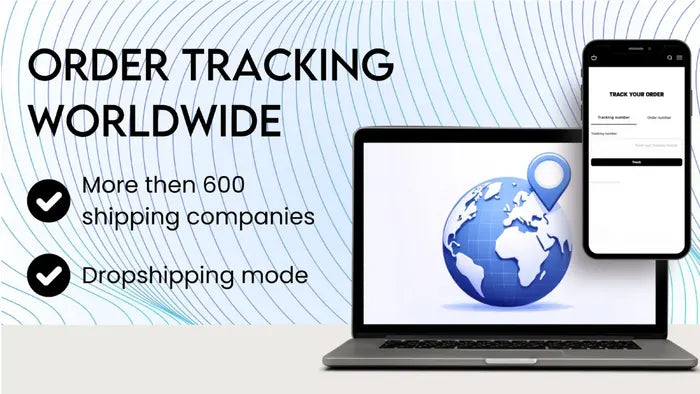
Shopify app · Integration · Automation
A public Shopify app that owns the post-purchase window. It syncs orders in real time across 600+ carriers and renders...
App Store listing: AutoTrack: Branded Order Tracking App for Shopify
Shopify app · Integration · Automation
ZA Dropshipping is a supplier-side Shopify app built for a South African fulfilment operator serving local merchants. South African dropshippers...
App Store listing: ZA Dropshipping (ZAD): South African Supplier Integration App for Shopify
Case study · Shopify Plus · Health
Prescription-aware checkout, doctor-consultation flow and a 10K+ SKU catalog tuned for sub-2s mobile loads.

Shopify app · Integration · Social
A free connector app linking a Shopify store to an external Cleard account. The merchant verifies a Cleard API key,...
App Store listing: Clear'd: Shopify Connector for the Cleard Social Commerce Platform04 / PRICING
Fixed-scope integration projects, ongoing retainers, or full-time dedicated teams. Whatever the engagement, you’ll see the price before you sign: no hourly creep, no surprise change orders.
Project
$6K – $45K
Fixed timeline · Milestone-billed
Best for: New ERP/OMS/CRM connectors, inventory sync, migration of brittle integrations
Retainer
$2K – $9K / mo
15–40 hrs/month · Month-to-month
Best for: Ongoing monitoring, new connectors, stack changes and incident response
Dedicated team
$6K – $18K / mo
1–3 specialists · Embedded with your ops / tech team
Best for: Complex multi-system stacks, continuous integration roadmap, high volume
05 / WHY BRANDS STAY
Most of our integration work is repeat business or referral. These are the reasons clients give when we ask why.
We design for the people who run the business: clear ownership of data, fewer manual steps, and systems that fail loudly instead of silently.
Retries, dead-letter handling, alerts and dashboards are part of the delivery — not an afterthought when something breaks.
One accountable owner, clear weekly updates, no account-manager telephone game.
Architecture, credentials, runbooks and data ownership maps so you are never locked into tribal knowledge.
Written scope and a fixed number before work starts. No surprise line items or hourly creep.
Full access, clean handover and no black boxes. We stay because the work is good, not because exit is hard.
06 / TECH STACK
Native Shopify APIs and webhooks first, proven enterprise systems, and purpose-built middleware only when off-the-shelf options cannot own the logic or reliability you need.
07 / FAQ
Honest answers, including the ones most agencies dodge.
Simple connectors often land in 3–6 weeks. Multi-system ERP/OMS/CRM programmes usually run 8–16 weeks depending on complexity and data quality. Timeline is fixed in the SOW before work starts.
Both. We prefer proven native or App Store connectors when they fit. When business rules, volume or reliability requirements exceed what apps offer, we build purpose-built middleware with proper monitoring.
ERP (NetSuite, SAP, Dynamics, Odoo), OMS and 3PLs, CRM (HubSpot, Salesforce), ESP (Klaviyo and similar), subscriptions, loyalty, payments, PIM, tax engines and custom internal systems.
Projects: $6K–$45K. Monthly retainers: $2K–$9K/mo. Dedicated team: $6K–$18K/mo. Every quote is fixed-fee and locked in the SOW.
Staged rollouts, parallel runs where needed, clear rollback plans, and monitoring from the first test. We never cut over critical paths without a way to reverse quickly.
Yes. Retainers include monitoring ownership, alerts, priority fixes and new connections as your stack evolves. Most clients keep a retainer after the initial project.