


01
Shared React Native codebase
One TypeScript/React codebase that ships polished iOS and Android apps — native modules only where platform differences truly matter.
React Native Development · Shopify Native
Shopify-connected React Native apps that ship on App Store and Google Play from a shared codebase. Apple Pay, Google Pay, push, deep links and offline shopping — without paying twice for two native teams. We build apps that feel native, stay maintainable and turn mobile traffic into higher conversion and retention.
48-hour audit
Send your store URL and current mobile setup. We reply with a recorded walkthrough: conversion gaps on mobile web, React Native vs native trade-offs, push and retention levers, and five high-impact app actions ranked by revenue potential. No pitch, no obligation.
Your details stay with us. We never share or sell them.
01 / CAPABILITIES
From a shared codebase and Storefront API to Apple Pay, Google Pay, push, deep links and dual-store launch. One team, both platforms, full lifecycle.
01
One TypeScript/React codebase that ships polished iOS and Android apps — native modules only where platform differences truly matter.
02
Products, collections, cart, checkout and customer accounts wired via Storefront API with caching and offline-aware design on both platforms.
03
Platform-native payments on both stores so checkout feels instant and conversion stays high without platform-specific forks of the whole app.
04
APNs and FCM from a shared notification layer: opt-in design, segmentation and lifecycle campaigns that work on iOS and Android.
05
Universal links, App Links and deferred deep linking so campaigns land on the right product screen on both App Store and Play.
06
App Store and Google Play submission, metadata, privacy forms and guideline compliance managed as one engagement.
07
Face ID, Touch ID and Android biometrics with shared session and customer account logic tied to Shopify.
08
In-app subscribe, manage and loyalty flows synced with Shopify and your providers, shared across both platforms.
09
In-app quizzes, recommendation engines and personalised home screens that drive higher AOV on both iOS and Android.
10
Cached catalogues, offline cart and resilient networking so the app stays usable on weak connections on both platforms.
11
GA4, Firebase, Meta and custom events from a shared layer so you measure revenue impact consistently across stores.
12
Company accounts, price lists, net terms and reorder flows for B2B shoppers on both iOS and Android.
13
Move off template or low-code platforms onto a maintainable React Native codebase without losing users on either store.
14
Component library and design tokens that respect HIG and Material Design where it matters, while keeping one product language.
15
Localisation, multi-currency and region-aware catalogues for brands selling across Shopify Markets on both platforms.
16
Shared release cadence, A/B tests, crash monitoring and feature sprints so one team improves both apps after launch.
02 / PROCESS
Every engagement follows the same four stages. You always know what is happening next and how success is measured at each milestone.
Stage 1
We review your store, mobile traffic, conversion data and goals, then define shared app scope, platform-specific must-haves and success metrics before design starts.
Stage 2
Wireframes, shared component system, platform nuances (HIG vs Material) and technical architecture (navigation, API strategy, offline, push) are locked in.
Stage 3
Sprint-based development with TestFlight and internal testing tracks, device QA on both platforms, App Store and Play Console submission as one engagement.
Stage 4
Post-launch analytics, push optimisation, A/B tests and optional retainers so one team keeps improving both apps together.
03 / OUR WORK
Live stores, apps and platforms we have built and run. Case studies open on this site; other projects open the live build in a new tab.
3.2×
App vs mobile web conversion
typical uplift for engaged shoppers on a well-built React Native app
~40%
Cost vs dual native
one team and one codebase instead of two full native programmes
1
Codebase for both stores
iOS and Android shipped and maintained together
4.7+
Typical store ratings
from apps we design, build and support on App Store and Play

Mobile app · Android
The Android app for Ounass, Al Tayer Group's digital-only luxury retailer and the Middle East's largest luxury e-commerce platform, launched...
Live site: OUNASS: Luxury Fashion E-Commerce Mobile App (Android)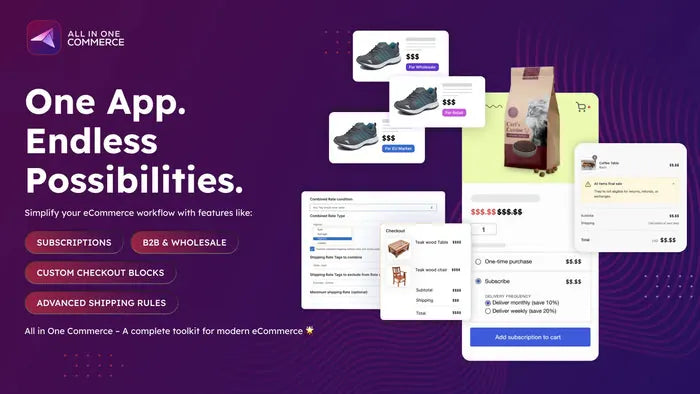
Shopify app
All In One Commerce is a public Shopify app built to replace four separate app subscriptions with one. Merchants running...
App Store listing: All In One Commerce: Consolidated Shopify Commerce Suite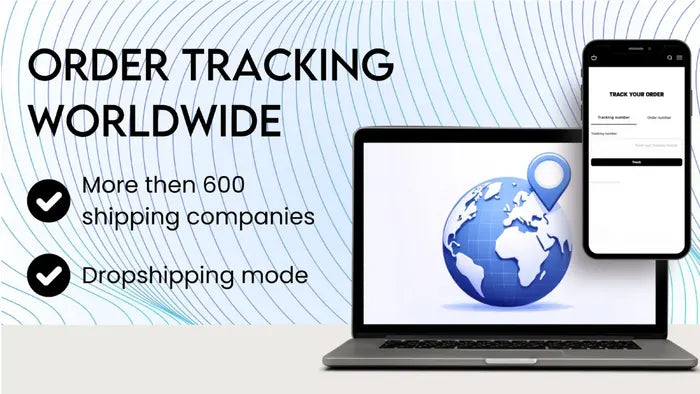
Shopify app · Integration · Automation
A public Shopify app that owns the post-purchase window. It syncs orders in real time across 600+ carriers and renders...
App Store listing: AutoTrack: Branded Order Tracking App for Shopify
Shopify app · Integration · Automation
ZA Dropshipping is a supplier-side Shopify app built for a South African fulfilment operator serving local merchants. South African dropshippers...
App Store listing: ZA Dropshipping (ZAD): South African Supplier Integration App for Shopify04 / PRICING
Fixed-scope dual-platform projects, ongoing retainers, or full-time dedicated teams. Whatever the engagement, you’ll see the price before you sign: no hourly creep, no surprise change orders.
Project
$30K – $140K
Fixed timeline · Milestone-billed
Best for: New cross-platform apps, dual App Store + Play launch, major feature builds
Retainer
$5K – $16K / mo
30–80 hrs/month · Month-to-month
Best for: Ongoing releases for both stores, push optimisation, A/B tests and updates
Dedicated team
$12K – $30K / mo
1–3 specialists · Embedded with your product team
Best for: High-growth dual-platform apps, continuous roadmap, multi-market programmes
05 / WHY BRANDS STAY
Most of our mobile work is repeat business or referral. These are the reasons clients give when we ask why.
Shared codebase and one accountable team instead of two native programmes that drift apart and double the cost.
Storefront API, Apple Pay, Google Pay and real inventory from day one — not a generic shell that fights your catalogue later.
One accountable owner, clear weekly updates, no account-manager telephone game.
App Store and Google Play guidelines, metadata, privacy forms and submission are part of the engagement.
Written scope and a fixed number before work starts. No surprise line items or hourly creep.
Full repository access, App Store and Play Console ownership and documentation. We stay because the work is good, not because exit is hard.
06 / TECH STACK
Modern React Native and TypeScript as the shared core, native modules only where platform differences matter, and Shopify Storefront API as the commerce backbone — never generic template shells.
07 / FAQ
Honest answers, including the ones most agencies dodge.
Focused Shopify React Native apps for both stores usually run 14–22 weeks from discovery to dual launch. Larger feature sets take longer. Timeline is fixed in the SOW before work starts.
When you need both iOS and Android, want one team and one roadmap, and can accept native modules only for platform-specific pieces (payments, biometrics, etc.). Pure native still wins for extreme performance or heavy platform-only UX.
Yes. Metadata, screenshots, privacy forms, guideline compliance and submission for both stores are part of the project. We manage both review processes until the apps are live.
Projects: $30K–$140K. Monthly retainers: $5K–$16K/mo. Dedicated team: $12K–$30K/mo. Every quote is fixed-fee and locked in the SOW.
Primarily via the Storefront API for catalogue, cart and checkout, with Admin API where needed. Apple Pay and Google Pay are integrated so each platform feels native.
Yes. Retainers cover shared releases, crash monitoring, push optimisation, A/B tests and new features for both stores. Most clients stay on retainer after the initial launch.